Animals can do some truly amazing things that often sound unbelievable at first. From animals that solve puzzles to others that survive extreme environments, these fun facts help explain how unique and clever animals really are. Learning about these surprising abilities makes exploring the animal world even more exciting.

Shark Facts for Kids
- Sharks have been around longer than trees
Sharks existed more than 400 million years ago, long before trees appeared on Earth. This means sharks were swimming in the ocean before forests ever existed.
- Sharks do not have bones
Their skeletons are made of cartilage, the same flexible material found in your nose and ears. This makes sharks lighter and helps them swim faster.
- Some sharks can glow in the dark
Certain deep-sea sharks produce light using special cells in their skin. This glow helps them hide from predators and sneak up on prey.
- Sharks can sense electricity
They use special organs to detect tiny electrical signals made by other animals. This helps them find food even when it is buried under sand.
- Most sharks are not dangerous to humans
There are more than 500 species of sharks, and only a few are large enough to harm people. Most sharks eat fish, plankton, or small sea creatures and avoid humans.
Turtle Facts for Kids
- Some turtles can breathe through their butts
Certain turtles absorb oxygen through a special opening near their tail. This helps them stay underwater for long periods, especially during cold weather.
- Sea turtles travel thousands of miles
They migrate long distances between feeding areas and nesting beaches. Many return to the exact beach where they were born.
- Turtles have existed since dinosaur times
Turtles have been on Earth for more than 200 million years. They survived mass extinctions that wiped out many other animals.
- A turtle’s shell is part of its skeleton
The shell is connected to the turtle’s ribs and spine. This means turtles cannot leave their shells like cartoon characters.
- Some turtles can live over 100 years
Their slow metabolism and protective shells help them live very long lives. Some tortoises are among the oldest animals on Earth.
Jaguar Facts for Kids
- Jaguars have the strongest bite of any big cat
Their powerful jaws can crush bones and even turtle shells. This makes jaguars extremely effective hunters.
- Jaguars love water
Unlike most cats, jaguars enjoy swimming and often hunt in rivers. They can catch fish and even small alligators.
- Jaguar spots are called rosettes
These rose-shaped markings help jaguars blend into forests and jungles. Each jaguar’s pattern is completely unique.
- Jaguars hunt using surprise, not speed
They rely on stealth and ambush rather than long chases. One strong bite usually ends the hunt quickly.
- Jaguars are excellent climbers
They climb trees to rest, watch for prey, or store food. This helps protect their meals from other predators.
Alligator Facts for Kids
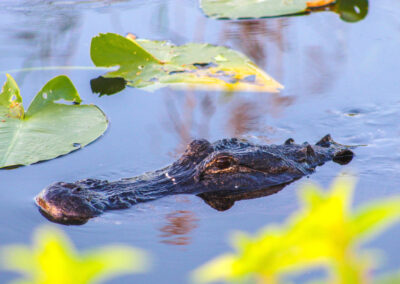
- Alligators can regrow their teeth
Alligators grow thousands of teeth over their lifetime. When one tooth falls out, another quickly grows in its place.
- Alligators can survive weeks without eating
Their slow metabolism allows them to go long periods between meals. This helps them survive when food is scarce.
- Baby alligators make sounds before hatching
They chirp from inside their eggs to alert their mother. She then digs them out of the nest to help them hatch.
- Alligators can run surprisingly fast
For short distances, they can reach speeds of up to 35 miles per hour. This speed helps them catch prey or escape danger.
- Alligators use tools to hunt
They balance sticks on their heads to attract birds looking for nesting materials. When birds get close, the alligator strikes.
Penguin Facts for Kids
- Penguins propose with pebbles
Male penguins often give pebbles to females as a gift. If the pebble is accepted, it can mean they become mates.
- Penguins can drink saltwater
Special glands near their eyes remove salt from the water. This allows penguins to survive in the ocean without fresh water.
- Penguins are excellent swimmers
Their wings act like flippers underwater. Some penguins can swim faster than many fish.
- Penguins huddle together to stay warm
In cold places, penguins stand close to share body heat. This helps them survive freezing temperatures.
- Not all penguins live in cold climates
Some penguins live in warmer regions near the equator. The Galápagos penguin lives close to volcanic islands.
Lion Facts for Kids
- Lions are the only cats that live in groups
These groups are called prides and can include many lions. Living together helps them hunt and protect their territory.
- Male lions grow large manes
A lion’s mane makes it look bigger and more intimidating. Darker manes often signal strength and good health.
- Lion roars can be heard miles away
A roar can travel up to five miles across open land. Lions use roaring to communicate and warn rivals.
- Female lions do most of the hunting
Lionesses work together to catch prey. Males usually guard the pride’s territory instead.
- Lions sleep most of the day
They can sleep up to 20 hours a day to conserve energy. This helps them stay strong for hunting and defending the pride.
Cheetah Facts for Kids
- Cheetahs are the fastest land animals
They can run up to 70 miles per hour in short bursts. This incredible speed helps them catch fast moving prey.
- Cheetahs cannot roar
Instead, they make chirping and purring sounds. These sounds help them communicate without attracting predators.
- Cheetahs use their tails for balance
Their long tails act like rudders while running. This helps them make sharp turns at high speeds.
- Cheetahs hunt during the daytime
Hunting in daylight helps them avoid larger predators. It also allows them to rely on their excellent eyesight.
- Cheetah cubs have fluffy fur for protection
The fur makes them resemble honey badgers, which predators avoid. This helps keep cubs safer in the wild.
Giraffe Facts for Kids
- Giraffes have the same number of neck bones as humans
Giraffes have seven neck bones, just like people do. Each bone is simply much longer.
- A giraffe’s tongue can be over 18 inches long
Their long tongues help them grab leaves from tall trees. The dark color protects their tongues from sunburn.
- Giraffes rarely sleep
They usually sleep only a few minutes at a time. This helps them stay alert for predators.
- Giraffes have extremely powerful kicks
One kick can seriously injure a predator like a lion. Their strong legs are an important form of defense.
- Each giraffe has a unique spot pattern
No two giraffes have the same spots. Scientists use these patterns to identify individual giraffes.
Arctic Fox Facts for Kids
- Arctic foxes change color with the seasons
Their fur turns white in winter to blend into snow. In summer, it becomes brown or gray to match rocks and dirt.
- Arctic foxes can survive extreme cold
They live in places where temperatures drop below minus 50 degrees Fahrenheit. Thick fur on their paws helps keep them warm.
- Arctic foxes have excellent hearing
They can hear animals moving under the snow. This helps them hunt even when prey is hidden.
- Arctic foxes store extra food
They hide leftovers to eat later when food is scarce. This helps them survive long winters.
- Arctic foxes have fluffy tails for warmth
They wrap their tails around their bodies like blankets. This helps protect their noses and paws from the cold.
Platypus Facts for Kids
- Platypuses are mammals that lay eggs
They feed their babies milk but do not have nipples. The milk comes out through their skin.
- Platypuses have duck-like bills
Their bills help them find food underwater. They can sense tiny movements made by prey.
- Male platypuses are venomous
They have spurs on their back legs that release venom. This venom can cause intense pain.
- Platypuses close their eyes underwater
They rely on their bill to locate food instead of sight. This makes them excellent hunters in murky water.
- Platypuses live only in Australia
They are found in freshwater rivers and streams. This makes them one of the world’s most unique animals.
Panda Facts for Kids
- Pandas eat mostly bamboo
They spend up to 14 hours a day eating. Bamboo gives them very little energy, so they must eat a lot.
- Pandas have an extra thumb
This special bone helps them grip bamboo stalks. It works like a real thumb.
- Baby pandas are very tiny
They are about the size of a stick of butter at birth. They grow quickly with constant care from their mother.
- Pandas are excellent climbers
They climb trees to escape danger or rest. Young pandas climb often while playing.
- Pandas communicate with sounds
They bleat, honk, and growl to communicate. These sounds help them find mates and warn others.
Owl Facts for Kids
- Owls have incredible night vision
Their eyes gather much more light than human eyes. This allows them to hunt in near darkness.
- Owls have silent wings
Special feathers reduce noise when they fly. This helps them sneak up on prey.
- Owls cannot move their eyes
Their eyes are fixed in place. That is why they turn their heads so much.
- Owls have asymmetrical ears
One ear is higher than the other. This helps them locate sounds more accurately.
- Owls swallow prey whole
Later, they cough up pellets made of bones and fur. Scientists study these pellets to learn what owls eat.
Wolf Facts for Kids
- Wolves live in family groups called packs
Packs work together to hunt and raise pups. Each wolf has a role in the group.
- Wolves communicate by howling
Howling helps them find pack members. It also warns other wolves to stay away.
- Wolves can travel long distances
They can walk more than 30 miles in one day. This helps them find food across large areas.
- Wolf pups are born blind and deaf
They rely completely on their parents at first. As they grow, they learn hunting and survival skills.
- Wolves are very intelligent
They use teamwork and strategy while hunting. This makes them successful predators.
Sloth Facts for Kids
- Sloths move extremely slowly
Moving slowly helps them save energy. It also makes them harder to spot.
- Sloths spend most of their lives in trees
They sleep, eat, and even give birth in trees. Their curved claws help them hang safely.
- Sloths have algae in their fur
The algae gives their fur a green tint. This helps them blend into the forest.
- Sloths have very slow digestion
Food can take weeks to digest. This matches their low energy lifestyle.
- Sloths are strong swimmers
They can move faster in water than on land. Swimming helps them cross rivers.
Zebra Facts for Kids
- Every zebra has a unique stripe pattern
No two zebras look exactly alike. Scientists use stripes to identify individuals.
- Zebra stripes confuse predators
The patterns make it hard to pick out one zebra. This helps protect them from lions.
- Zebras communicate with sounds and expressions
They bark, whinny, and snort. Ear position and tail movement also send signals.
- Zebras have excellent memory
They remember migration routes and water sources. This helps herds survive dry seasons.
- Zebras can run very fast
They can reach speeds of up to 40 miles per hour. Speed helps them escape predators.
Dolphin Facts for Kids
- Dolphins are extremely intelligent
They can solve problems and learn tricks. Some even recognize themselves in mirrors.
- Dolphins use echolocation
They send out clicks and listen for echoes. This helps them find food and navigate.
- Dolphins live in social groups
These groups are called pods. Dolphins help injured or sick pod members.
- Dolphins communicate with whistles
Each dolphin has a unique whistle. It works like a name. - Dolphins must surface to breathe
They cannot breathe underwater like fish. They consciously control their breathing.
Polar Bear Facts for Kids
- Polar bears have black skin
The dark skin helps absorb heat from the sun. Their white fur only looks warm.
- Polar bears are strong swimmers
They can swim for hours without rest. Some swim over 60 miles at a time.
- Polar bears rely on sea ice
They hunt seals from the ice. Melting ice makes finding food harder.
- Polar bears have thick blubber
This layer of fat keeps them warm. It also stores energy.
- Polar bears have a powerful sense of smell
They can smell seals from miles away. This helps them hunt in icy environments.
15 More Fun Animal Facts for Kids
- Wombats produce cube shaped poop
The cube shape helps keep the poop from rolling away. Scientists believe this helps wombats mark their territory more easily.
- Elephants can hear through their feet
Vibrations from the ground travel up through their feet and legs. This allows elephants to detect danger or other elephants from far away.
- Dolphins sleep with half of their brain awake
One side of their brain rests while the other stays alert. This helps them breathe and watch for predators at the same time.
- Frogs can freeze without dying
Some frogs survive winter by freezing solid. Their bodies produce special chemicals that protect their organs.
- Parrots can live longer than many dogs
Some parrots can live for more than 60 years. This means they can be lifelong companions for families.
- Kangaroos cannot walk backward
Their large tails and strong legs make backward movement impossible. This is why kangaroos appear on Australia’s coat of arms.
- Rats laugh when they are tickled
They make high pitched sounds that scientists compare to laughter. This shows rats can feel joy and excitement.
- Owls can turn their heads almost all the way around
They can rotate their heads up to 270 degrees. This helps them see without moving their bodies.
- Cows have excellent memories
They can remember faces and locations for long periods of time. This helps them recognize other cows and people.
- A group of frogs is called an army
Animal groups often have fun and unusual names. These names help scientists and storytellers describe animals in creative ways.
- Horses can sleep standing up
They use a special locking system in their legs. This allows them to rest without falling over.
- Sea horses are the only animals where males give birth
Male sea horses carry babies in a pouch. They release dozens or even hundreds of tiny sea horses at once.
- Goats have rectangular pupils
This eye shape gives them a wide field of vision. It helps them spot predators while grazing.
- Squirrels plant thousands of trees by accident
They forget where they bury many of their nuts. Those forgotten nuts often grow into new trees.
- Pigs are smarter than dogs
They can learn tricks, play games, and solve puzzles. Scientists rank pigs as one of the most intelligent animals.
The animal kingdom is full of surprises, and there is always something new to discover. These fun animal facts show how animals adapt, survive, and interact with the world around them. Keep asking questions, stay curious, and remember that nature is full of incredible stories waiting to be learned.